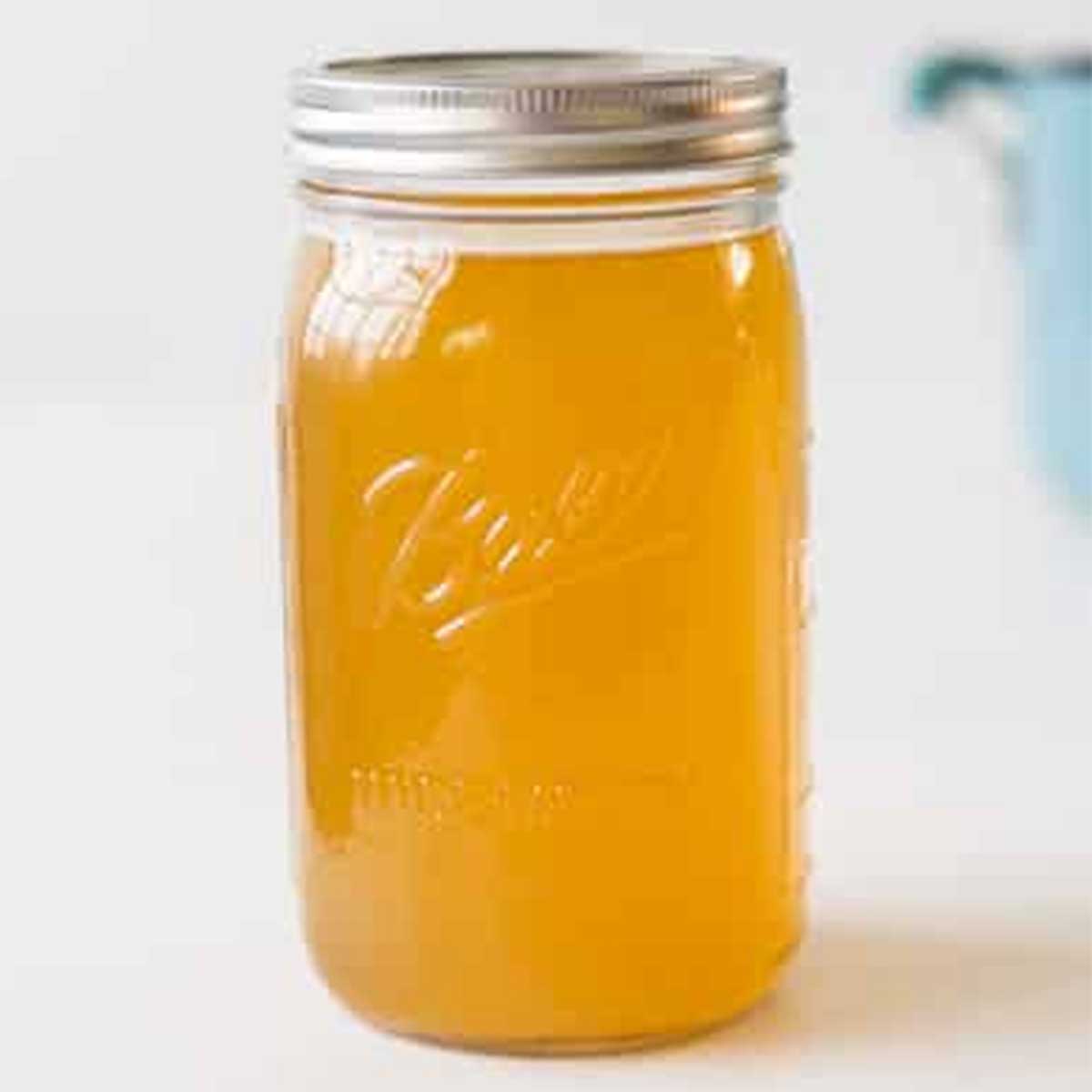
Unlock the Gold Mine: Nutritious Broth from Broccoli Leaves
For too long, the humble broccoli head has hogged the culinary spotlight. While its vibrant florets are undeniably nutritious and delicious, a true "gold mine" of flavor and health benefits often gets overlooked and, regrettably, discarded: the magnificent broccoli leaves. If you're a gardener or a savvy shopper, you've likely found yourself with a generous bounty of these leafy greens and wondered, "What on earth do I do with them?" The answer, dear reader, is to transform them into an incredibly flavorful and nutrient-dense broccoli leaves vegetable broth. This isn't just a recipe; it's a sustainability hack, a flavor booster, and a testament to making the most of every part of your produce. Prepare to elevate your cooking and reduce your food waste, all with one simple, delicious technique.The Untapped Potential of Broccoli Leaves
Imagine cultivating a plant that offers not one, but multiple culinary treasures. That's precisely what you get with broccoli. Beyond the familiar crown of florets, gardeners know the satisfaction of growing this somewhat challenging cruciferous gem. And once that beautiful head is harvested, you're left with a plethora of large, sturdy leaves and sturdy stalks. While composting them is a noble act, cooking with them unlocks a whole new dimension of culinary possibility. Broccoli leaves are far from mere garnish; they are nutritional powerhouses in their own right. Packed with vitamins (like A, C, and K), minerals, and fiber, they offer similar health benefits to the florets, supporting everything from immune function to bone health. Ignoring them is akin to throwing away valuable superfoods. Turning these leaves into a wholesome homemade broth is one of the easiest and most impactful ways to harness their goodness. It's a fundamental step towards zero-waste cooking and a healthier diet.Why Broccoli Leaves Make the Best Vegetable Broth
You might be thinking, "Can't I make vegetable broth from any old scraps?" And while that's true to an extent, there's something uniquely special about using broccoli leaves. Their robust, slightly bitter, yet earthy flavor provides an incredible depth that other vegetable scraps often lack. They don't just add a generic "vegetable" taste; they impart a distinct, savory character that truly shines. Think of it this way: just as carrot tops lend a particular sweetness and herbaceousness to broth, broccoli leaves contribute a hearty, umami-rich foundation that can transform any dish. When simmered low and slow, they break down beautifully, releasing their complex flavors and nutritional compounds into the water. The result is a vibrant, clear broth that far surpasses the bland, often overly salty, store-bought alternatives. It's a broth that's not just a liquid base, but an active ingredient, bringing its own personality to your culinary creations. Plus, it's incredibly satisfying to know you're extracting maximum value from every part of your hard-earned produce.Crafting Your Nutrient-Rich Broccoli Leaves Vegetable Broth: A Step-by-Step Guide
Making your own broccoli leaves vegetable broth is a straightforward process that yields incredibly rewarding results. It's an easy recipe, perfect for beginners and seasoned cooks alike.Essential Ingredients:
- Broccoli Leaves and Stems: The star of the show! Use as many as you have, roughly chopped if large. The stems also contribute valuable flavor and body.
- Water: Enough to generously cover all your vegetable matter. Filtered water is recommended for the purest flavor.
- Aromatics & Seasoning:
- Garlic: Whole cloves, smashed or peeled, add depth.
- Salt: To taste, but start light; you can always add more later when using the broth in a dish.
- Bay Leaves: A classic broth enhancer, providing a subtle herbaceous note.
- Optional Vegetable Scraps (Flavor Boosters): This is where you can truly embrace the "use what you have" philosophy and elevate your broth even further. Excellent additions include:
- Carrot peels and ends (avoid overly dirty bits)
- Chopped onions (including outer layers, but skip just the papery skins for a smoother flavor)
- Potato peels (ensure they are clean)
- Celery stalks and trimmings (avoid too many leaves, as they can sometimes turn bitter)
- Zucchini and eggplant scraps
- Trimmings from green beans or sugar snap peas
- Tomato ends or soft tomatoes
- Herb stems (parsley, cilantro)
A Note on What to Avoid: While many scraps are welcome, some can make your broth bitter or cloudy. It's generally best to avoid excess florets (they can make broth sulfurous), overly strong greens like kale stems (unless you specifically want that flavor), and too many onion/garlic *skins* without the actual vegetable. Also, be mindful of starchy vegetables like potatoes if you want a very clear broth, as they can sometimes make it cloudy.
Equipment:
- A large, heavy-bottomed pot (a stockpot is ideal)
- A fine-mesh colander or sieve
- Freezer-safe containers or jars for storage
The Process:
- Preparation: Thoroughly wash your broccoli leaves and stems. Give them a rough chop to help them release their flavors more easily, especially if they are very large.
- Combine Ingredients: Place all your broccoli leaves, stems, and any other desired vegetable scraps into your large pot. Add the garlic, salt, and bay leaves.
- Add Water: Pour in enough cold water to fully cover all the vegetable matter by at least an inch or two.
- Simmer: Bring the pot to a rolling boil over high heat. Once boiling, reduce the heat immediately to low, cover the pot with a lid, and let it gently simmer for at least 1 hour. You'll notice the broccoli leaves break down nicely, imparting their color and essence to the water. For an even deeper flavor, you can simmer for up to 2 hours.
- Strain: Carefully remove the pot from the heat. Place your colander over a large bowl or another pot. Slowly pour the entire contents of the pot through the colander, separating the liquid (your beautiful broth!) from the solids. Press down on the solids with the back of a spoon to extract every last drop of flavorful liquid.
- Cool and Store: Allow the broccoli leaves vegetable broth to cool completely before storing. You can use it immediately, or transfer it to freezer-safe containers, leaving a little headspace if freezing. It will last in the refrigerator for about 5-7 days or in the freezer for up to 6 months. This recipe typically yields around 7 cups of rich, flavorful broth!
Pro Tips for Success:
- Don't Overcrowd: Ensure there's enough room in the pot for ingredients to simmer properly and water to circulate.
- Taste as You Go (Carefully): While simmering, you can taste the broth and adjust salt if necessary, though it's often best to season dishes that use the broth rather than over-seasoning the broth itself.
- Roast Your Scraps: For an even deeper, more complex flavor, consider tossing your vegetable scraps (especially onions and carrots) with a little oil and roasting them in the oven for 20-30 minutes before adding them to the pot. This caramelization adds wonderful depth.
Beyond the Broth: Maximizing Your Culinary Creations
Once you have a batch of homemade broccoli leaves vegetable broth, the culinary possibilities are virtually endless. This isn't just a basic liquid; it's a foundation of flavor that can transform everyday meals into something extraordinary.- Flavorful Grains: This is my absolute favorite way to use this broth! Instead of cooking rice, quinoa, couscous, or farro in plain water, use your homemade broth. The grains absorb the rich flavors, resulting in a side dish that's incredibly aromatic and satisfying.
- Soups and Stews: From a hearty minestrone to a comforting lentil soup or a light noodle bowl, this broth provides the perfect nutritious base.
- Casseroles and Bakes: Use it to add moisture and depth to your favorite casseroles, gratins, or slow cooker meals.
- Sauces and Gravies: Replace water or less flavorful broths in your sauces and gravies for a healthier, more robust flavor profile. It's excellent for deglazing pans after sautéing vegetables or searing proteins.
- Steaming Vegetables: Use a little broth instead of water when steaming vegetables to infuse them with extra flavor and nutrients.
- Quick Flavor Boosts: Freeze leftover broth in ice cube trays for convenient, single-serving flavor bombs to add to stir-fries, risottos, or sautéed greens.
Don't be afraid to experiment! The beauty of homemade broth is its versatility and the healthful boost it brings to almost any savory dish.
