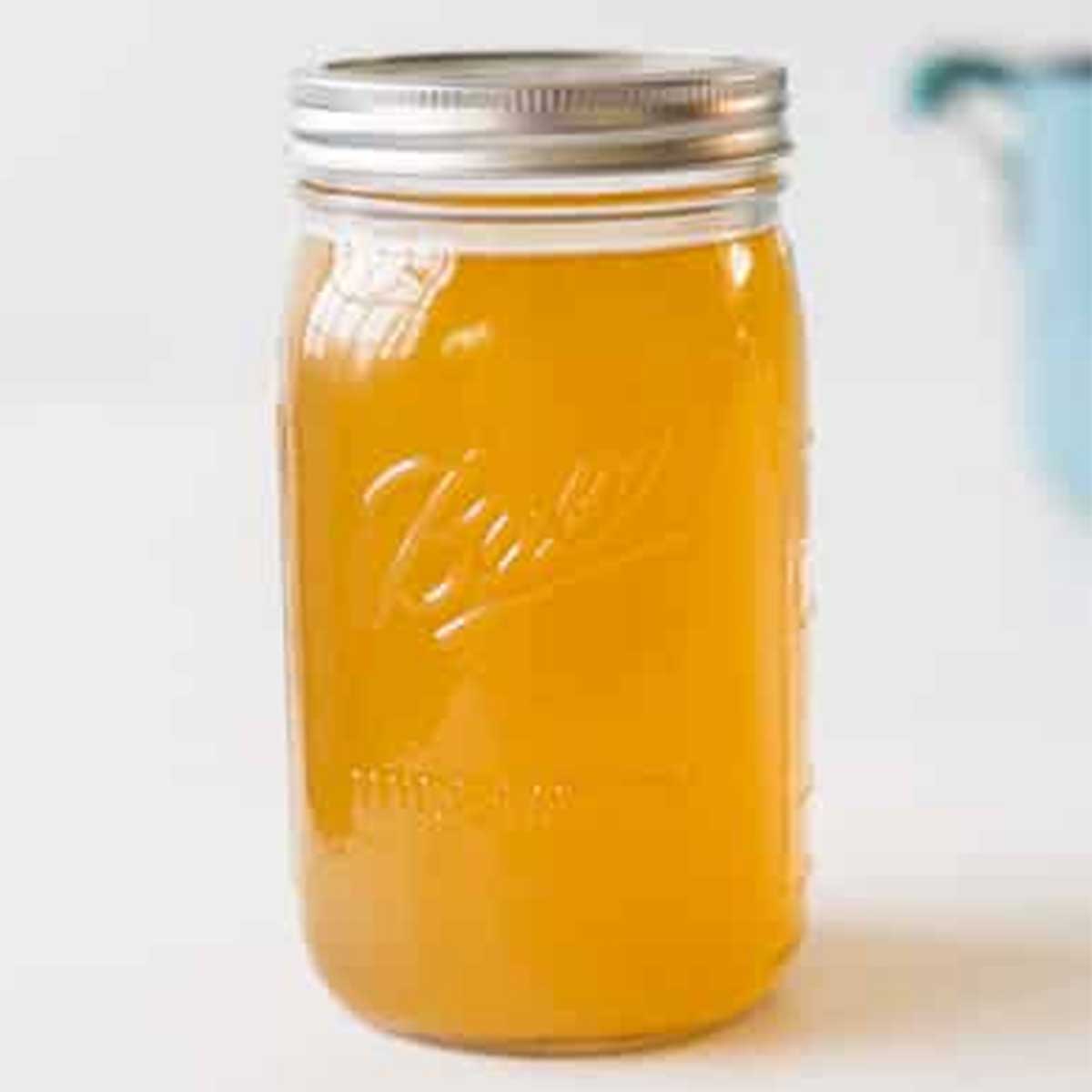
Unlock the Hidden Potential: Crafting Delicious Broccoli Leaves Vegetable Broth
In a world increasingly focused on sustainability and maximizing nutritional value, it's time to shine a spotlight on an often-overlooked culinary gem: broccoli leaves. While the florets take center stage on our plates, the expansive, vibrant leaves that surround them are a powerhouse of flavor and nutrients just waiting to be discovered. Far from being compost material, these leafy greens can be transformed into a rich, savory, and incredibly healthy homemade `broccoli leaves vegetable broth` – a secret weapon for elevating countless dishes.
For many home gardeners and even savvy shoppers, the question often arises: "What the heck do I do with broccoli leaves?" The short, delicious answer is to make this incredible vegetable broth. You're essentially cultivating a gold mine in your garden, or bringing one home from the market, getting not just the iconic florets but also abundant leaves and sturdy stalks. Instead of discarding these nutrient-dense parts, imagine harnessing their unique essence to create a flavorful foundation for your cooking. This article will guide you through making a wholesome `broccoli leaves vegetable broth` that promises to add depth and a touch of homemade goodness to your culinary adventures.
Why Your Next Broth Should Be Broccoli Leaves Vegetable Broth
Beyond the undeniable satisfaction of reducing food waste, opting for `broccoli leaves vegetable broth` brings a host of benefits to your kitchen and your health. Broccoli, a celebrated cruciferous vegetable, is renowned for its nutritional profile, and its leaves are no exception. They are packed with vitamins, minerals, and antioxidants, mirroring many of the health benefits found in the florets themselves. By using them in a broth, you're not just extracting flavor; you're infusing your liquid gold with a gentle dose of this nutritional goodness.
Think about it: every time you've bought a head of broccoli, you've likely tossed aside its outer leaves. This is a missed opportunity to extract earthy notes and a subtle sweetness that makes for an exceptionally well-rounded broth. This method isn't just about resourcefulness; it's about flavor. Just like how carrot tops can yield a surprisingly sweet broth, broccoli leaves contribute a unique, robust character that can stand on its own or blend beautifully with other vegetable scraps. It's an easy, healthy recipe that empowers you to cook with ingredients you already have, making your meals more flavorful and sustainable. For more inspiration on leveraging every part of your broccoli harvest, you might enjoy reading
Unlock the Gold Mine: Nutritious Broth from Broccoli Leaves.
Mastering Your Homemade Broccoli Leaves Vegetable Broth Recipe
Crafting your own `broccoli leaves vegetable broth` is a simple, satisfying process that yields fantastic results. The key is to simmer the ingredients slowly, allowing all the flavors to meld and deepen.
Ingredients:
- Approximately 6-8 cups (or a large bunch) of fresh broccoli leaves (and any tender stalks)
- 12 cups cold water (adjust as needed to cover vegetables)
- 2-3 cloves garlic, smashed or roughly chopped
- 1-2 bay leaves
- 1 teaspoon sea salt (or to taste)
- Optional additions: a few whole black peppercorns, a sprig of fresh thyme or rosemary
Equipment:
- Large stockpot (at least 5-quart capacity)
- Colander or fine-mesh sieve
- Freezer-safe containers or jars
Instructions:
- Prepare the Broccoli Leaves: Start by thoroughly washing your broccoli leaves under cold running water. Pay attention to any dirt or debris, especially if they are garden-fresh. You can roughly chop larger leaves and any tender stalks to help them release their flavors more easily during simmering.
- Combine Ingredients: Place the washed and prepared broccoli leaves (and stalks), smashed garlic, bay leaves, and salt into your large stockpot. Add the water, ensuring all the vegetables are submerged. If you're using optional additions like peppercorns or fresh herbs, add them now.
- Bring to a Boil: Place the pot on high heat and bring the mixture to a rolling boil.
- Simmer and Infuse: Once boiling, reduce the heat to low, cover the pot with a lid, and let it simmer gently for at least 1 hour. This slow simmer is crucial for extracting maximum flavor and nutrients from the leaves. You'll notice the leaves begin to break down and soften considerably.
- Strain the Broth: After simmering, carefully remove the pot from the heat. Place a colander or fine-mesh sieve over a large bowl or another clean pot. Slowly pour the entire contents of the stockpot through the colander, allowing the liquid (broth) to collect below and the cooked solids to remain in the colander. Gently press down on the solids with the back of a spoon to extract any remaining liquid, being careful not to push too much pulp through.
- Cool and Store: Allow the strained `broccoli leaves vegetable broth` to cool completely to room temperature before transferring it to freezer-safe containers or jars. This recipe typically yields about 7-8 cups of delicious broth. Label and date your containers. The broth can be stored in the refrigerator for up to 5-7 days or frozen for up to 3-6 months.
Tip: For an even deeper flavor profile, consider roasting the broccoli leaves and stalks slightly before adding them to the pot. This caramelizes some of their sugars, adding a layer of complexity to your broth.
Enhancing Your Broccoli Leaves Broth: What to Add (and What to Avoid!)
While `broccoli leaves vegetable broth` on its own is wonderfully flavorful, you can certainly boost its depth and complexity by incorporating other vegetable scraps. This is a fantastic way to utilize parts of vegetables that might otherwise be discarded, further minimizing food waste.
Excellent Additions for Flavor and Body:
- Carrot Peels & Ends: Add a touch of natural sweetness and beautiful color.
- Onion & Leek Trimmings: Contribute savory depth. Use the white and light green parts, avoiding excess papery outer skins if you prefer a less astringent flavor.
- Celery Ends & Outer Stalks: Provide a classic aromatic base. *Note: Some sources suggest avoiding celery leaves as they can make broth bitter, so stick to the stalks and ends for a smoother taste.*
- Potato Peels: Can add a subtle starchiness and body to the broth, making it feel richer.
- Mushroom Stems: If you have any leftover from cooking, mushroom stems lend a wonderful umami richness.
- Herb Stems: Parsley, cilantro, or dill stems can add fresh, herbaceous notes. Tie them with kitchen twine for easy removal.
- Bell Pepper Scraps: The tops and cores (without too many seeds) can add a mild, sweet pepper flavor.
What to Avoid for a Smoother Flavor:
Some vegetable scraps, while seemingly good candidates, can impart undesirable flavors or cloudiness to your broth.
- Excess Broccoli Florets: While the leaves are excellent, too many florets can make the broth taste overly "broccoliy" or even slightly bitter, so stick mainly to the leaves and stalks.
- Strong-Flavored Greens (e.g., Cabbage or Kale Stems): While edible, these can sometimes overpower the delicate flavor of the broccoli leaves or make the broth taste a bit too "green" or bitter.
- Beet Scraps: Will turn your broth a vibrant (and sometimes surprising) red color and can impart a strong earthy flavor that isn't always desired.
- Artichoke Leaves/Stems: Can make broth very bitter.
- Excess Onion/Garlic Skins: While some cooks include them for color, too many can introduce a bitter taste or make the broth cloudy. Stick to the actual onion/garlic flesh and inner layers for the best flavor.
The beauty of homemade broth is its adaptability. Feel free to experiment with what you have on hand, always keeping in mind the balance of flavors you're aiming for.
Creative Uses for Your Homemade Broccoli Leaves Vegetable Broth
Once you have a batch of this delicious, nutrient-rich `broccoli leaves vegetable broth`, your culinary possibilities are endless. It's a versatile ingredient that can replace water in almost any savory dish, instantly elevating the flavor profile.
- Cooking Grains: This is arguably one of the most transformative uses. Instead of cooking rice, quinoa, farro, or couscous in plain water, use your homemade broth. The grains will absorb all that incredible flavor, turning a simple side dish into a gourmet experience. This is especially fantastic for risotto.
- Soups & Stews: The most obvious application, but crucial. This broth makes a superb base for any vegetable soup, minestrone, lentil stew, or even a hearty chicken noodle soup. Its savory depth will shine through.
- Casseroles & Slow Cooker Meals: Replace water or store-bought broth in your favorite casserole recipes or slow cooker dishes. From creamy chicken and rice casseroles to braised short ribs, the broth will infuse every component with rich flavor.
- Sauces & Gravies: Use it as the liquid component in pan sauces, gravies, or reductions. It adds a layer of complexity that store-bought versions often lack.
- Steaming Vegetables: Add a splash to the bottom of your steamer instead of water for infusing vegetables with extra taste.
- Braised Dishes: It's perfect for braising tougher cuts of meat or hardy vegetables like collard greens or cabbage, tenderizing them while imparting deep flavor.
Don't underestimate the power of using high-quality homemade broth. It's a simple change that makes a significant difference in the overall deliciousness of your meals. To discover even more fantastic ways to utilize this kitchen staple, be sure to check out
Don't Waste Broccoli Leaves! Make Flavorful Homemade Broth.
Conclusion: Embrace the Full Broccoli Experience
Making `broccoli leaves vegetable broth` is more than just a recipe; it's a testament to sustainable cooking, smart resourcefulness, and the pursuit of exceptional flavor. By transforming what was once considered waste into a valuable kitchen staple, you not only reduce your environmental footprint but also unlock a new dimension of taste for your home cooking. This easy, healthy, and incredibly rewarding process yields a versatile broth that will enhance everything from a simple pot of rice to a complex stew. So, the next time you bring home a head of broccoli, don't just admire the florets – celebrate the entire plant and let its leaves create a foundation of deliciousness for your next culinary creation.