Beyond the Florets: Unearthing the Nutritional Goldmine in Broccoli Leaves
For too long, the humble broccoli plant has been celebrated primarily for its vibrant, nutrient-dense florets, while its equally valuable leaves and stalks have often been relegated to the compost bin or simply discarded. If you're a gardener who has marveled at a flourishing broccoli plant, you've likely noticed the abundance of lush, green leaves surrounding that beautiful head. And if you've ever bought a whole head of broccoli from the store, you've probably encountered its sturdy, often generous stem and a few attached leaves.
But what if we told you that these often-overlooked parts—especially the leaves—are a culinary treasure trove, packed with flavor and an impressive array of health benefits? Indeed, just like their famous florets, broccoli leaves are a powerhouse of nutrition, brimming with vitamins, minerals, and antioxidants. They contain significant amounts of Vitamin A, Vitamin C, Vitamin K, folate, calcium, and iron, along with dietary fiber. By choosing to use them, you're not just reducing food waste; you're actively enriching your diet with a superfood that many people don't even realize is edible, let alone delicious!
One of the most effective and satisfying ways to harness this hidden potential is to transform them into a deeply flavorful and aromatic homemade vegetable broth. This ingenious approach extracts all the goodness from the leaves, creating a versatile liquid gold that can elevate countless dishes. So, next time you harvest or unwrap your broccoli, resist the urge to discard those leafy greens. You're holding a gold mine in your hands, ready to be unlocked into a delicious, sustainable culinary staple.
Crafting Your Own Flavorful Broccoli Leaves Vegetable Broth
Making a rich, homemade nutritious broth from broccoli leaves is surprisingly simple and incredibly rewarding. It's a testament to the fact that some of the best flavors come from the most unexpected places. This method not only saves money but also ensures you have a wholesome, preservative-free base for all your cooking needs.
Gathering Your Broth Ingredients (Beyond Just Broccoli Leaves)
While a broth made with *just* broccoli leaves will yield a wonderfully unique and mild flavor, the true magic often happens when you combine them with other vegetable scraps. Think of your broth pot as a culinary mosaic, where every piece contributes to the overall masterpiece. This is your chance to truly embrace a zero-waste kitchen!
Here’s a breakdown of what to include, and what might be best to leave out, for the most balanced and delicious broccoli leaves vegetable broth:
- The Stars: Broccoli Leaves and Stems: These are your primary flavor contributors. Don't be shy; use plenty! The stems, when simmered, release a subtle sweetness and body.
- Classic Aromatics:
- Onion & Garlic Skins/Ends: These add depth and a fundamental savory base without overpowering the other flavors.
- Carrot Peels & Ends: A natural sweetness that balances the earthiness of the broccoli.
- Celery Ends & Outer Stalks: Contributes a clean, crisp note.
- Flavor Boosters:
- Potato Peels: Add body and a subtle starchiness.
- Mushroom Stems: Provide a rich umami depth.
- Bell Pepper Scraps: A mild sweetness and aromatic quality.
- Herb Stems (Parsley, Thyme, Rosemary): Infuse beautiful aromatic notes.
- Leek Greens: Offer a gentle onion-like flavor.
- Spent Corn Cobs: Can add a delightful, subtle sweetness, especially to larger batches.
- Spice Rack Essentials:
- Bay Leaves: Essential for a classic, aromatic broth.
- Black Peppercorns: Add a gentle warmth and complexity.
- A Pinch of Salt: Helps to draw out flavors. You can adjust seasoning at the end.
What to Potentially Avoid (or use sparingly):
While broccoli leaves contribute a desirable mild, earthy sweetness, some other vegetable scraps can make a broth bitter or cloudy if used in excess. This is often the case with very strong-flavored greens like kale stems or beet greens, or cruciferous vegetable florets which can release sulfurous compounds. For a smooth, clean-tasting broccoli leaves vegetable broth, it’s generally best to avoid:
- Excessive amounts of florets from cruciferous vegetables: A few are fine, but too many can make the broth bitter.
- Celery leaves (especially in large quantities): These can sometimes impart a strong, bitter flavor.
- Artichoke leaves: Can be very bitter.
- Beet greens or very tough kale stems: May contribute an overly earthy or slightly bitter taste.
- Large amounts of onion/garlic skins if you prefer a very clear broth: While they add color and flavor, too many can make the broth cloudy.
Ultimately, your broth is a reflection of your personal taste. Experiment with what you have on hand and discover your favorite combinations!
The Simple Steps to a Rich Broth
- Preparation: Give your broccoli leaves and other vegetable scraps a good rinse under cold water. If using larger broccoli stalks, you might want to chop them into smaller, more manageable pieces to help them release their flavors.
- Combine Ingredients: Place all your cleaned vegetable scraps, broccoli leaves, broccoli stems, garlic cloves (peeled or unpeeled), bay leaves, and peppercorns into a large stockpot.
- Add Water: Pour enough cold water over your ingredients to completely submerge them, typically by about 1-2 inches. The amount of water will depend on the size of your pot and the volume of your scraps, but aim for roughly 7-8 cups for a standard batch.
- Bring to a Boil, Then Simmer: Place the pot on high heat and bring it to a rolling boil. Once boiling, immediately reduce the heat to low, cover the pot with a lid, and let it gently simmer.
- Simmer Time: Allow the broth to simmer for at least 1 hour, or up to 2 hours for a more intense flavor. During this time, the vegetables will break down, releasing their wonderful essences into the water. You'll notice the liquid transforming in color and aroma.
- Strain the Broth: Once simmering is complete, remove the pot from the heat. Carefully place a colander or fine-mesh sieve over a large bowl or another pot. Slowly pour the entire contents of your stockpot through the strainer, separating the liquid (your delicious broth!) from the cooked solids. Gently press on the solids with the back of a spoon to extract any remaining liquid, but avoid mashing them, which can make the broth cloudy.
- Discard Solids: The spent vegetable scraps can now be composted, completing their journey from waste to valuable resource.
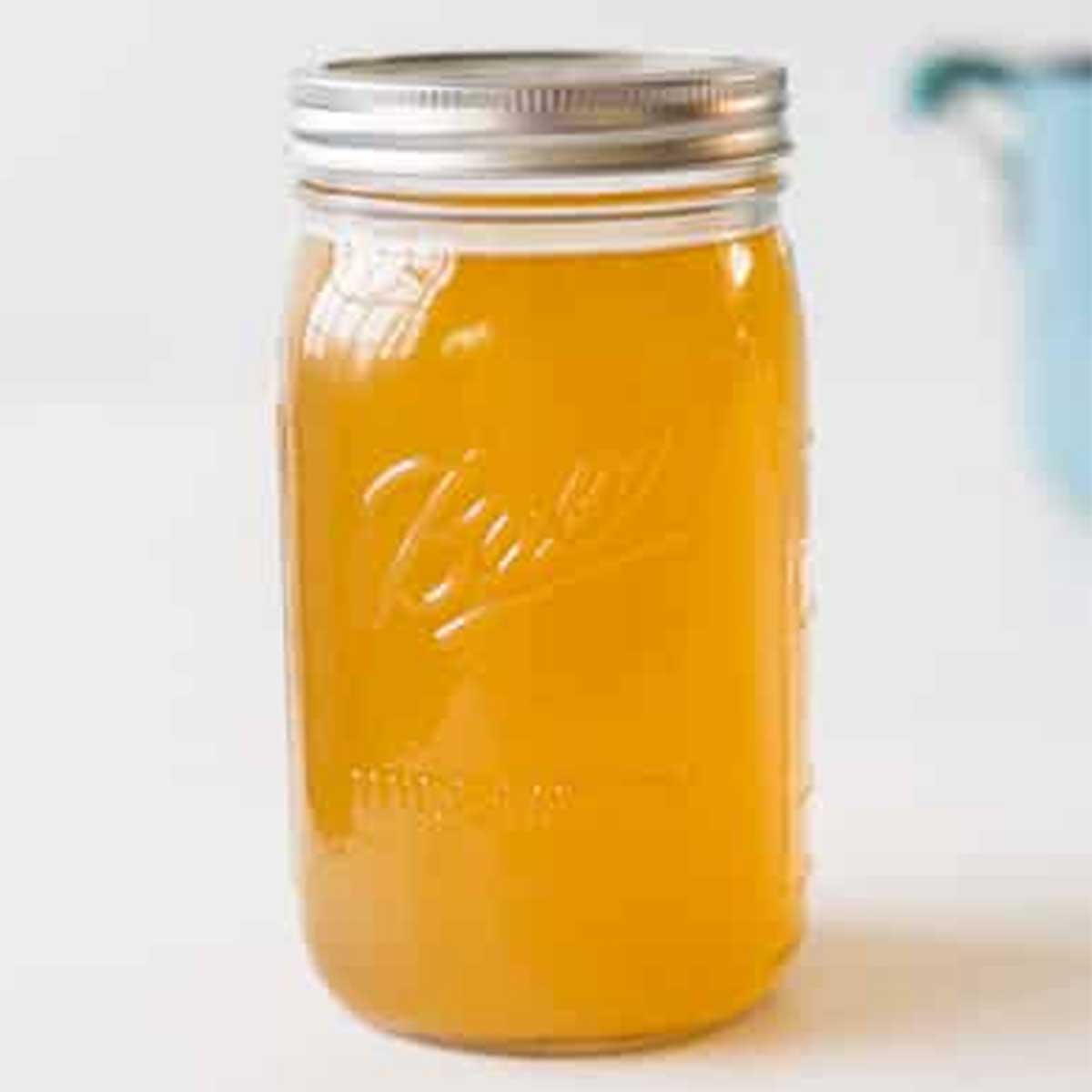
- Cool and Store: Let your homemade broccoli leaves vegetable broth cool completely before storing.
Unleashing the Versatility of Your Homemade Broth
Once you have a batch of this flavorful, wholesome broccoli leaves vegetable broth, a world of culinary possibilities opens up. The beauty of homemade broth is its subtle yet profound ability to deepen the taste of almost any dish, adding layers of savory complexity that water simply cannot provide.
Here are just a few ideas to get you started:
- Elevate Grains: This is arguably one of the best ways to showcase your broth. Instead of cooking rice, quinoa, couscous, or any other grain in plain water, use your broth! The grains will absorb all that incredible flavor, transforming a simple side dish into something truly special. Imagine a bowl of fluffy rice, each grain infused with the earthy sweetness of broccoli leaves – a game-changer for weeknight dinners.
- Soups and Stews: This is the most obvious, yet most impactful use. Whether you're making a hearty lentil soup, a comforting minestrone, a vibrant vegetable stew, or a creamy potato soup, your homemade broth will be the foundation for an unparalleled depth of flavor.
- Sauces and Gravies: Use it as the liquid base for pan sauces, gravies, or reductions. It adds a sophisticated layer of taste that enhances roasted meats or vegetable dishes.
- Braising and Poaching: Braise tough cuts of meat or hardy vegetables in your broth until tender and flavorful. It's also excellent for poaching chicken breasts or fish, imparting flavor as it cooks.
- Sautéing Vegetables: Instead of oil, use a splash of broth to sauté vegetables. It adds flavor, keeps them from sticking, and is a lighter alternative.
- Deglazing Pans: After searing meats or roasting vegetables, use the hot broth to deglaze the pan, scraping up all those delicious browned bits (fond) to create an instant sauce.
- Risottos and Pilafs: The slow addition of warm broth is crucial for achieving the creamy texture and rich flavor of a perfect risotto or a savory pilaf.
Tips for Success and Maximizing Your Broth Experience
To ensure your homemade broccoli leaves vegetable broth is always at its best, and to make the most of your efforts, consider these practical tips:
- Don't Over-Simmer: While longer simmering can extract more flavor, excessive boiling or simmering for many hours can sometimes lead to a bitter taste or loss of freshness, especially with certain vegetable scraps. 1-2 hours is usually the sweet spot for a vegetable broth.
- Cool Properly Before Storing: Always allow your broth to cool completely at room temperature before transferring it to containers for refrigeration or freezing. This prevents bacterial growth and keeps your broth fresh longer.
- Storage Solutions:
- Refrigerator: Store in airtight containers for up to 5-7 days.
- Freezer: For longer storage, freeze your broth. Freezer-safe containers or heavy-duty freezer bags (leave headspace for expansion) are ideal. You can also freeze portions in ice cube trays for convenient smaller amounts, perfect for deglazing a pan or adding a boost to a quick sauce. Frozen broth can last for 3-6 months.
- Season to Taste: While you can add a pinch of salt during cooking, it's often best to keep the broth lightly seasoned. This allows you to control the saltiness in the final dish where the broth is used.
- Batch Cooking: If you find yourself with a surplus of broccoli leaves or other vegetable scraps regularly, consider making large batches of broth and freezing it. This ensures you always have a ready supply of homemade goodness.
- Experiment with Herbs & Spices: While bay leaves and peppercorns are standard, don't hesitate to experiment with other additions like a few sprigs of fresh thyme, a star anise pod, or a pinch of coriander seeds to customize the flavor profile of your broccoli leaves vegetable broth to suit your culinary preferences.
By transforming what many consider waste into a culinary staple, you're not only enhancing your cooking with rich, natural flavors but also embracing a more sustainable and resourceful approach to food. Your homemade broccoli leaves vegetable broth is more than just an ingredient; it's a testament to the delicious possibilities that lie just beyond the familiar.
